
Changing at a much faster pace, the work environment today is demanding more flexibility and access to a diverse talent pool. But this also brings in new challenges, such as managing productivity, maintaining transparency, and keeping operations aligned across a distributed workforce.
With the traditional way of employment models giving in to the rise of freelancers, contractors and remote professionals, a growing ecosystem of gig economy is also emerging. Thus, for organizations to stay competitive and ready in the future it has become crucial and essential to have Workforce Management Software. By helping to bring structure and accountability, it offers efficiency to increase a fluid workforce model.
The Gig Economy and the New Workforce Reality
Faced with a completely different scenario from how the workforce scenario was a decade ago, businesses today are tapping into global talent pools, hiring skilled professionals on demand, and running hybrid teams that span time zones. Indeed, a flexible system on the run but without the right systems to manage this can quickly lead to inefficiency and communication breakdowns.
Tracking schedules, ensuring timely delivery, and maintaining performance standards across a mix of full-time and freelance workers can be complex. Many organizations are turning to a Productivity Management Solution to solve these challenges a digital platform designed to unify processes, monitor outcomes, and provide real-time insights into how work is getting done.
Why Workforce Management Software Matters More Than Ever
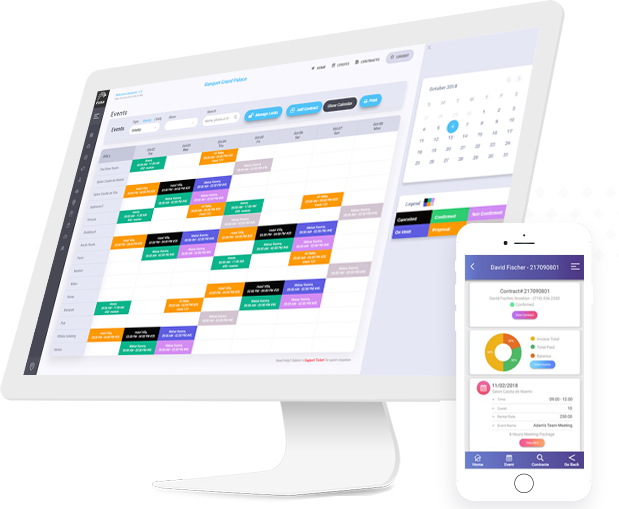
Workforce Management Software helps organizations simplify operations and improve oversight. By bringing together functions that are critical, such as scheduling, allocation of tasks, monitoring performance and analytics into a single centralized system. For leaders, this helps with better visibility so that they can see who is working on what, where does high productivity exists, and where does bottle necks form. As it offers automated workflows, it helps to reduce workflows, administer overhead, while intelligent analytics guide better decision-making. Instead of reacting to problems, managers can act proactively, using data to optimize staffing and performance in real time.
Strengthening Accountability Through Employee Monitoring Software
Maintaining accountability becomes essential, especially when your workforce is spread across geographies. This is where an employee monitoring software helps organizations create a culture of transparency and trust by providing accuracy in productivity without any micromanagement.
Businesses may see how workloads are spread out and how performance is changing by keeping track of working hours, project activity, and application usage. This information makes sure that both employees and gig workers are rewarded for their performance and that all teams have the same expectations. Just keeping an eye on tools isn't enough to measure productivity. They encourage attention and balance workloads by offering people the information they need to help create a healthy, performance-driven culture.
Creating a Connected, Data-Driven Workforce
Forward-thinking organizations are moving towards integrated Productivity Management Solution that combine communication, collaboration, payroll, and analytics in one platform. Making it easier for managers to plan, execute, and evaluate projects, these systems no matter how dispersed their teams may be helps to maintain compliance and streamline payments for gig workers.
With cloud-based technology scalability and remote access is ensured while seamless integration with HR and payroll systems helps maintain better regulatory adherence. The result is a more cohesive workforce that is connected through data, driven by insights, and empowered to perform.
Conclusion: Building a Workforce That’s Ready for Tomorrow
Growing slowly into the future of employment, the gig economy is demanding organizations a system that can swiftly change to do well in this business environment.
By finding the balance between structure and flexibility by using workforce management software solutions, Employee Monitoring Software, and full Productivity Management Solutions companies can ensure full productivity.
These technologies help executives to track their company goals and keep people engaged while also managing performance, encouraging accountability, and making better decisions.
In the end, making your business future-proof doesn't mean fighting change. It's about using technology that makes it easier for you to handle it. Companies who put money into smart workforce management now will be the ones that are most prepared to do well in the changing world of work in the future.



.jpg )


Leave a comment